
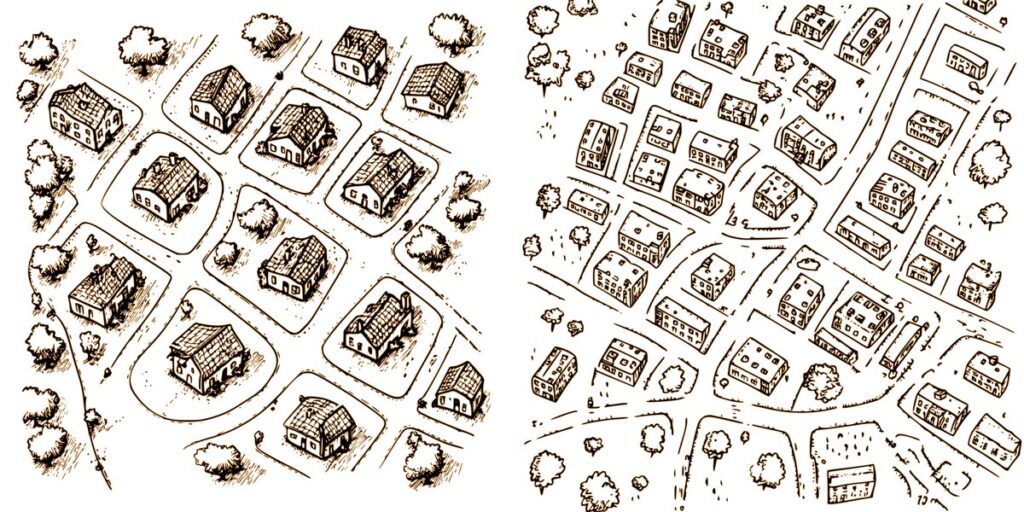
Nestled in the welcoming southwest quadrant of Springfield, Missouri, Parkcrest stands as more than just a set of homes and thoroughfares—it’s a neighborhood with a story. As the city has grown and changed over the decades, Parkcrest has remained both a peaceful residential enclave and a living witness to the city’s evolving identity. For those who call it home, Parkcrest is a harmonious blend of old and new—a place where stories are just as vibrant as the mighty oaks gracing its quiet streets.
Origins: From Prairie to Neighborhood
Springfield itself has deep roots in southwest Missouri, and Parkcrest’s origins can be traced to the post-war suburban boom of the 1950s and 60s. At that time, families were searching for space, safety, and a sense of community not always found closer to downtown. Builders and developers eyed the gently rolling fields west of Kansas Expressway, recognizing the potential to create neighborhoods that would attract professionals and young families.
The Parkcrest neighborhood was envisioned as one of these new havens. Its layout—bordered loosely by Battlefield Road to the south, Kansas Expressway to the east, and Republic Road further southwest—offered promising proximity to the bustling city while remaining distinctly residential. Early plats featured winding avenues and cul-de-sacs, echoing the national trend of favoring community-centric, low-traffic neighborhoods. Key original streets such as Parkcrest Avenue and Stanford Street still anchor the area today.
How Parkcrest Got Its Name
The name “Parkcrest” is evocative, conjuring images of green spaces and scenic elevation. True to this, the neighborhood sits atop some of the small rises and gentle hills that characterize Springfield’s landscape. “Park” references the abundance of green spaces and tree canopies that populate backyard and roadways alike. “Crest” hints at the neighborhood’s slightly elevated terrain, which was seen as a selling point in early real estate brochures.
Locals will tell you that the name was chosen both for these descriptive qualities and to embody the welcoming, outdoorsy ethos of Springfield in general. Even today, when taking a sunset stroll along Bradford Parkway or wandering through adjacent Nathanael Greene/Close Memorial Park, you feel the influence of both “park” and “crest” all around you.
Key Historical Milestones
Parkcrest’s growth mirrored that of Springfield itself, benefiting from decades of progress, innovation, and investment:
- 1950s-60s: Initial homebuilding begins, with ranch-style and split-level homes dominating the architectural landscape. Suburban amenities—such as garages, spacious yards, and community sidewalks—become standard features.
- 1972: Construction of Parkcrest Shopping Center on Campbell Avenue marks a new era of local commerce. Anchored initially by grocery and general merchandise stores, this center soon becomes a community hub.
- 1980s: Expansion of schools nearby, including the construction of Horace Mann Elementary, supports rising enrollments from Parkcrest’s growing number of families.
- 1997: The development of Nathanael Greene/Close Memorial Park on the neighborhood’s southwest boundary infuses the area with new green space and recreational opportunities, connecting Parkcrest to Springfield’s expanded park system.
- 2000s-Present: Ongoing revitalization and property improvements, coupled with an active neighborhood association, bolster Parkcrest’s reputation as one of Springfield’s most appealing established neighborhoods.
Notable Landmarks and Institutions
Walking or driving through Parkcrest, several landmarks stand out—places that serve as both gathering spots and touchstones for local history:
- Parkcrest Shopping Center: Still operating after decades of change, this commercial district brings neighbors together for shopping, dining, and professional services. From classic barbershops to contemporary boutiques, it remains a central artery for daily life.
- Horace Mann Elementary School: Countless families in Parkcrest have watched their children pass through the halls of this beloved elementary. Known for its strong community support and active PTA, Horace Mann anchors the neighborhood’s sense of continuity.
- Nathanael Greene/Close Memorial Park: While technically on the neighborhood’s edge, this expansive public park is woven into the fabric of Parkcrest life. It boasts walking trails, a Butterfly House, ornamental gardens, and fishing lakes—a testament to Springfield’s love of the outdoors.
- Ward Branch Greenway: Snaking northward past Farm Road 141, this scenic trail connects Parkcrest to much of southwest Springfield’s urban trail network, offering natural beauty right at residents’ doorsteps.
Living in Parkcrest: Then and Now
Decade by decade, Parkcrest has embodied the changing needs of Springfield while keeping its friendly, small-town atmosphere. In the 1960s, it was common sight to see neighborhood kids riding bikes down Stanford Street or gathering for summer lawn games. Today, you’ll still see neighbors chatting on evening walks, friends gathering for backyard barbecues, and families playing at Aldersgate Park or along neighborhood sidewalks.
- The housing mix is now more diverse: classic mid-century ranches coexist with thoughtfully updated homes, all amid mature landscaping.
- Community events—whether garage sales, holiday parades, or school fundraisers—continue to foster the close-knit feeling residents cherish.
- Tree-lined drives like LaSalle Street and Montclair Lane have become iconic, especially in the fall when maples and oaks show off their seasonal colors.
Why Parkcrest Endures
What keeps Parkcrest special after all these years? Residents say it’s the unmistakable sense of belonging. While its shops and schools provide practical amenities, and its parks offer beauty and recreation, it’s the spirit of the community that leaves the most lasting mark. Newcomers quickly find friendly neighbors eager to share the area’s history or point out a favorite coffee shop. Lifelong residents take pride in stewarding the neighborhood’s traditions and green spaces.
In an ever-changing city, Parkcrest is a place where heritage and progress walk hand in hand—a neighborhood that remembers where it came from and looks ahead to where it’s going, all while remaining a welcoming, tree-shaded refuge at the heart of Springfield.